Sales support
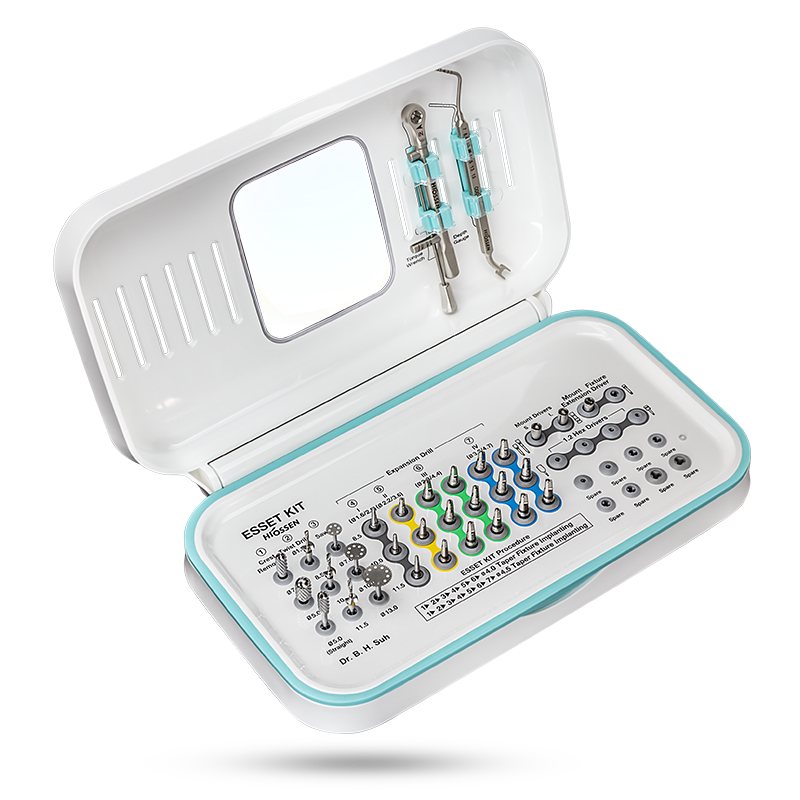
+381 65 8702561The ESSET Kit is used in narrow ridge cases where horizontal bone width may limit implant placement. It helps clinicians expand the ridge and create space for implant placement in selected clinical situations.
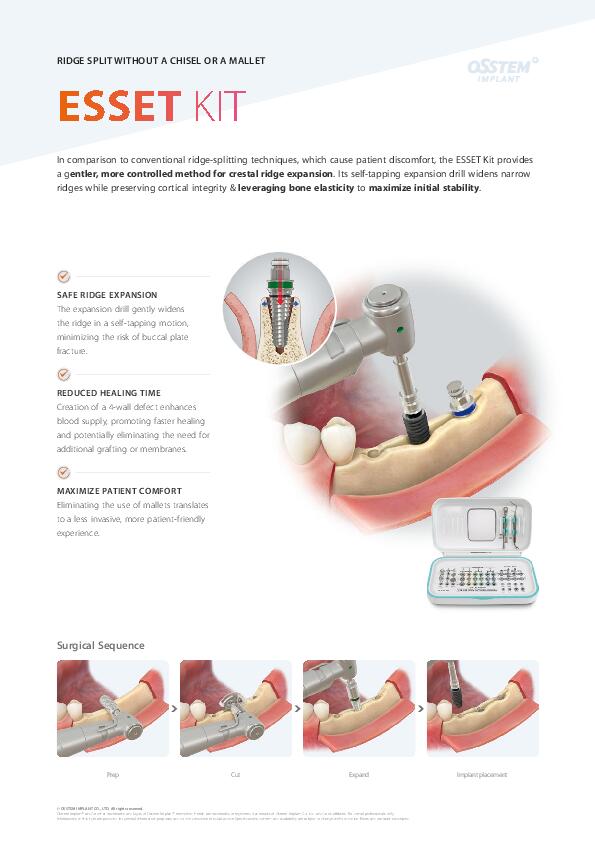
In comparison to conventional ridge-splitting techniques involving mallets and chisels—which may cause patient discomfort—the Osstem ESSET Kit provides a gentler, more controlled method for crestal ridge expansion. Its self-tapping expansion drill gradually widens narrow ridges while preserving cortical integrity and leveraging bone elasticity to maximize initial stability.
Why It Matters for Clinicians
Narrow ridge conditions can limit implant placement options and often involve invasive techniques that discomfort patients. The Osstem ESSET Kit offers a minimally invasive, efficient solution—enhancing primary stability while preserving tissue integrity and accelerating healing. This elevates clinician confidence and expands treatment possibilities in anatomically restrictive scenarios, resulting in improved patient outcomes and workflow efficiency.
The expansion drill gently splits and widens the ridge in a self-tapping motion, minimizing the risk of buccal plate fracture while avoiding the need for chisels and malleting.
By harnessing the expanded bone’s elastic properties, the technique achieves solid primary stability—helping secure implant placement within narrow ridge sites.
Creation of a 4-wall defect enhances blood supply to the surgical site, promoting faster healing and potentially eliminating the need for additional grafting or membranes.
Enables safe implant placement in cases previously deemed too narrow for conventional approaches, expanding clinical options for clinicians.
Eliminating the use of mallets translates to a less invasive, more patient-friendly experience.
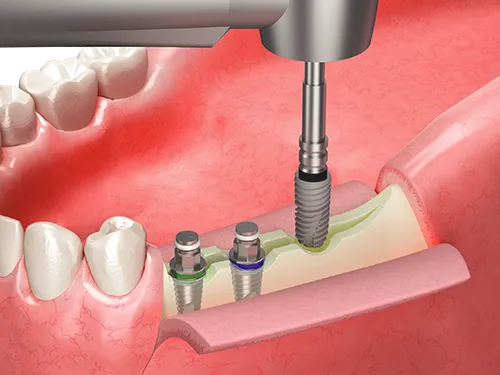
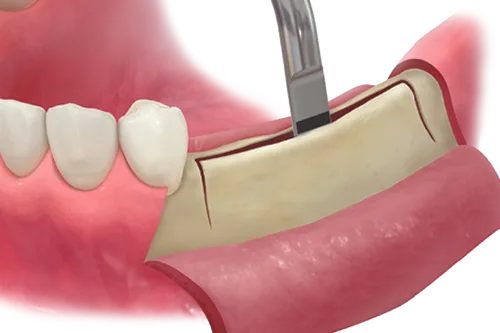
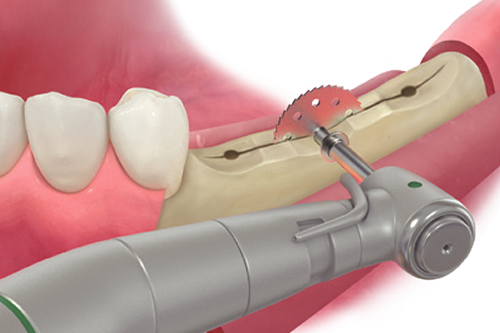
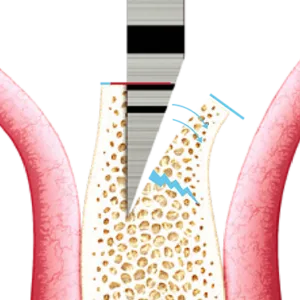
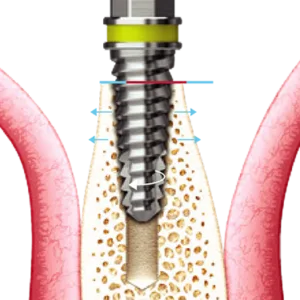
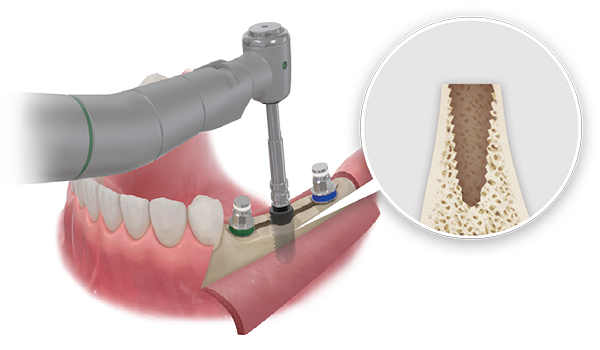
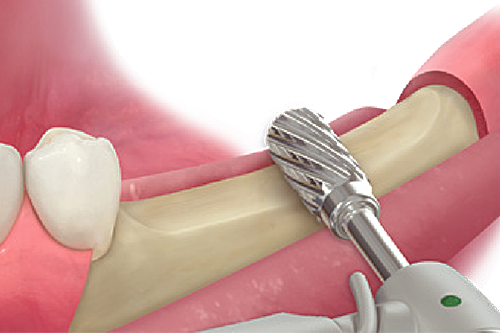
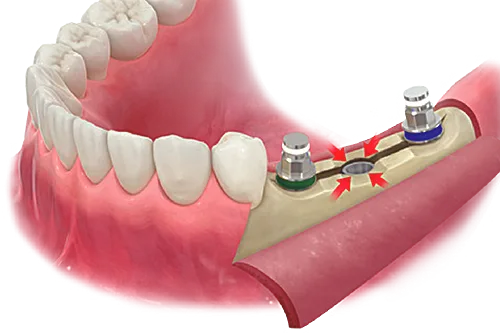
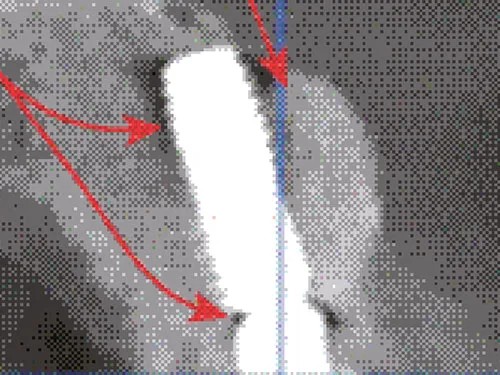
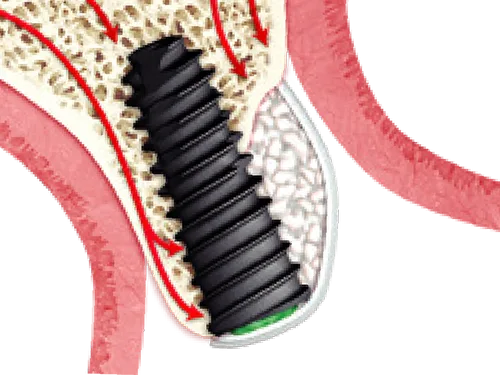
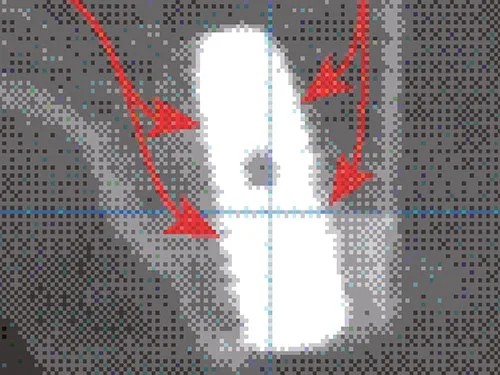
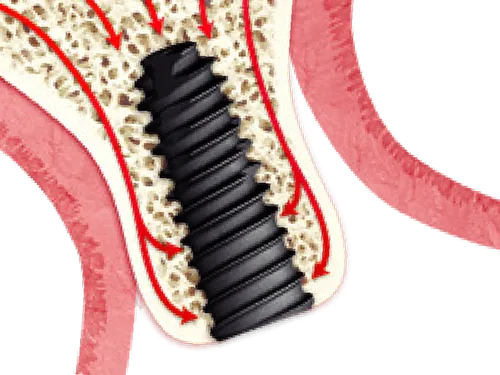
Contour ridge and create grooves for implant sites
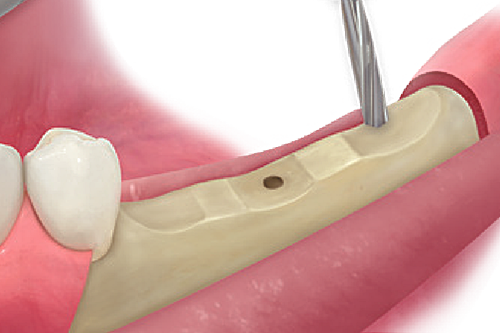
Initial drilling with twist drill to define implant positioning
Saw to incise and split ridge
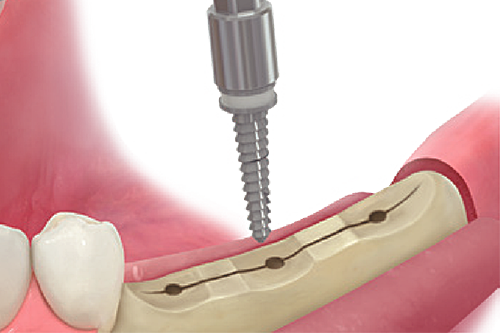
Expansion drill to expand ridge
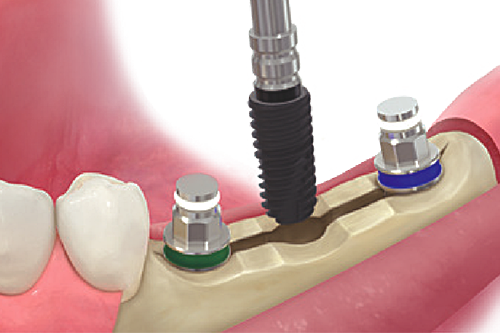
Implant placement into expanded ridge
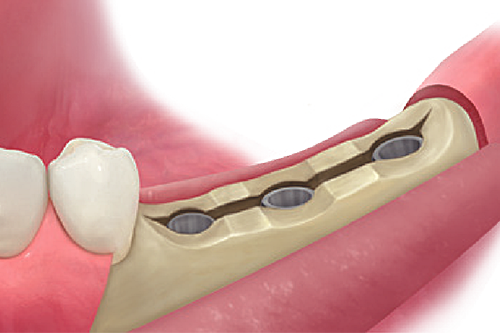
Complete placement
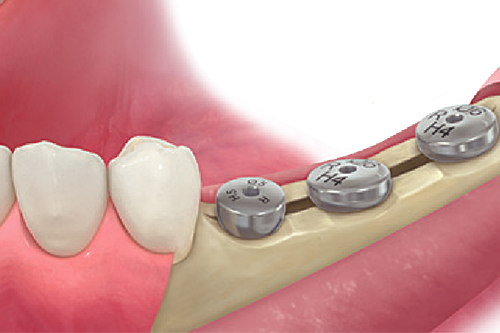
Insert the healing abutment
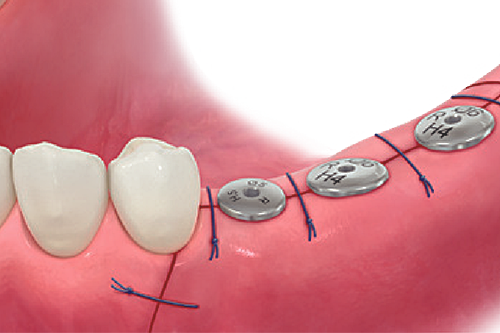
Suture and complete the procedure
A controlled clinical study found that split crest procedures using the Osstem ESSET Kit achieved significant bone gain, high implant stability, no reported complications, and 100% implant survival after one year — even in the group treated without grafting. The study is highlighting the potential of the ESSET Kit for efficient, graftless ridge expansion in selected cases.
Reference: Biocanin V. et al. Split Crest—Is It Necessary to Fill the Gap?—A Controlled Trial. Journal of Functional Biomaterials, 2025.
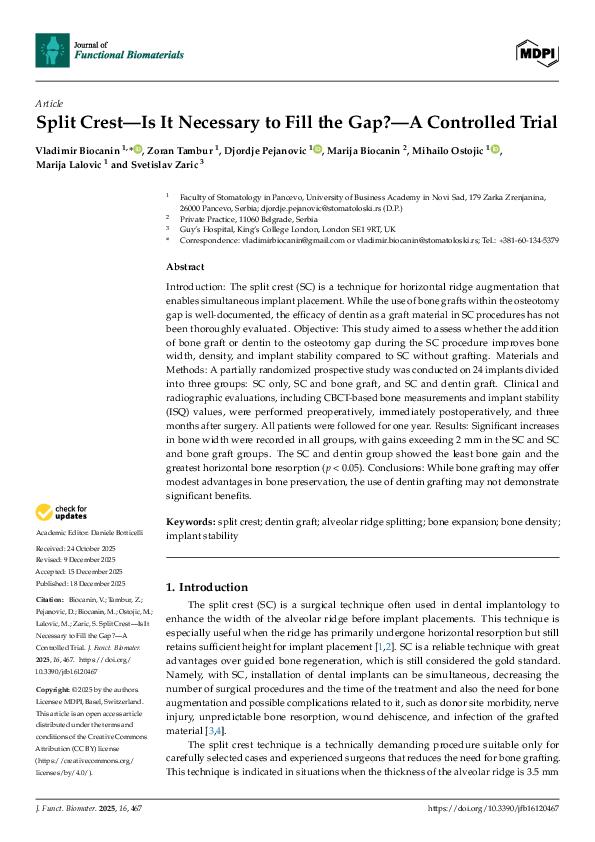
A controlled clinical study evaluated the split crest technique using the Osstem ESSET Kit and TSIII implants in narrow alveolar ridges. The study compared split crest procedures performed without grafting, with alloplastic bone grafting, and with dentin grafting.
The ESSET Kit is used in narrow ridge cases where horizontal bone width may limit implant placement. It helps clinicians expand the ridge and create space for implant placement in selected clinical situations.
Conventional ridge-splitting techniques may involve chisels and mallets, which can increase patient discomfort. The ESSET Kit uses a gentler, more controlled expansion approach with self-tapping expansion drills to gradually widen the ridge.
The key benefits include controlled ridge expansion, strong initial implant stability, reduced patient discomfort, and the possibility of placing implants in ridges that may otherwise be too narrow for conventional approaches.
The expansion drill is designed to gently split and widen the ridge in a self-tapping motion, which may help minimize the risk of buccal plate fracture compared with more traumatic ridge-splitting methods.
Yes. The ESSET Kit is designed to leverage the elastic properties of expanded bone, helping achieve strong primary stability during implant placement in narrow ridge sites.
In selected cases, yes. A controlled clinical study using the ESSET Kit and Osstem TSIII implants showed successful split crest treatment both with and without filling the gap with bone substitute material. The group treated without grafting achieved significant bone width gain and stable implant outcomes.
Reference: Biocanin V. et al. Split Crest—Is It Necessary to Fill the Gap?—A Controlled Trial. Journal of Functional Biomaterials, 2025.
A controlled clinical study evaluated split crest procedures using the Osstem ESSET Kit and TSIII implants in narrow ridges. The study compared three approaches: split crest without grafting, split crest with alloplastic bone grafting, and split crest with dentin grafting. All groups showed high implant stability, significant bone width gain, and 100% implant survival after one year.
Reference: Biocanin V. et al. Split Crest—Is It Necessary to Fill the Gap?—A Controlled Trial. Journal of Functional Biomaterials, 2025.
Not always. The need for grafting depends on the individual clinical case, ridge anatomy, bone quality, and the clinician’s treatment plan. However, the available clinical evidence suggests that split crest treatment with the ESSET Kit can be successful in carefully selected narrow ridge cases, even without grafting.
Reference: Biocanin V. et al. Split Crest—Is It Necessary to Fill the Gap?—A Controlled Trial. Journal of Functional Biomaterials, 2025.
Narrow ridges can limit implant treatment options and may require more invasive procedures. The ESSET Kit offers a controlled workflow for ridge expansion, helping clinicians preserve tissue integrity, improve primary stability, and expand treatment possibilities in anatomically challenging cases.
Sales support
+381 65 8702561